
Giving Your Roof a Spring Check After Winter
When the worst of the cold finally lets go, your roof has just come through the hardest few months of its year. If you have not looked up at it since autumn, spring is the moment to do it. A winter of North Sea wind, driving rain, and the odd hard frost leaves its mark, and the sooner you spot the damage the cheaper it usually is to sort.
You do not need to climb up there to make a start. A lot of what matters can be seen from the ground with a decent pair of eyes, and it takes maybe twenty minutes. Here is what to look for on a Hull home once winter has passed, and when a spring check turns into a job worth handing over.
The quick answer: A spring roof check means looking for slipped or cracked tiles, clogged gutters, spreading moss, and any signs of damp inside, so winter damage gets caught before spring rain makes it worse.

1. Start From the Ground and Look Up
Grab a cup of tea, step back across the road, and just look at your roof properly. You are checking that the lines are still straight and even. A tile that has slipped shows as a dark gap or a lump out of line, and from street level on a terrace you can often spot it straight away.
Hull's exposure makes this worth doing every spring. The wind comes in flat off the Humber with little to slow it, and a winter gale can lift and shift pantiles that looked fine in September. On the long open frontages around west Hull, a single slipped tile is easy to miss until it lets water in.
2. Check the Gutters and Downpipes
Winter fills gutters with everything the wind and rain drag down: dead leaves, moss washed off the tiles, grit, the lot. By spring they can be packed solid. Look for plants growing out of them, water staining down the wall below, or gutters sagging under the weight of what is sitting in them.
On the older terraced streets off Hessle Road and Newland, where gutters run continuously between houses and back onto narrow ten-foot lanes, a blockage does not stay your problem for long. Water backs up, spills over, and soaks the brickwork, and in spring that trapped damp is exactly what feeds a fresh crop of moss.
3. Look for Moss That Has Spread Over Winter
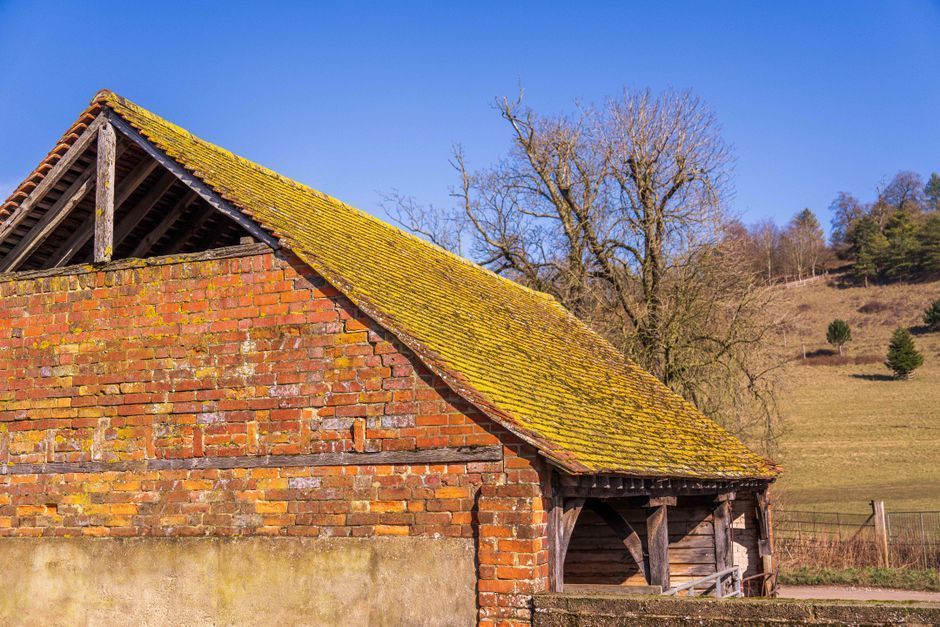
Moss loves a wet Hull winter. The months of damp and short, sunless days let it thicken up fast, especially on the shaded, north-facing slope of the roof. By spring you may find green where there was barely any in autumn, and that growth holds water against the tiles rather than letting them dry.
It is worth noting how far it has spread since last year. A light dusting is one thing, but thick clumps sitting in the tile joints or hanging over the gutter edge is a sign the roof is due a proper clean. Around leafy Cottingham, where trees keep roofs shaded and damp, moss can go from patchy to heavy in a single winter.
4. Check Inside the Loft
The best clue to a winter leak is often up in the loft, not on the roof. Pick a dry day, take a torch, and look at the underside of the roof and the timbers. Water stains, damp patches, or daylight showing through where it should not are all signs that something shifted over winter.
Do this after a spell of rain if you can, because that is when a small leak actually shows. A faint tide mark on a rafter in a Hull loft usually traces back to a slipped pantile or failed flashing above, and finding it now beats finding it when the ceiling below starts to stain.
5. Inspect the Ridge, Flashing and Chimney
The joins are where roofs tend to fail first. Look along the ridge for mortar that has cracked or gaps where the pointing has fallen out over winter. Around the chimney and any valley, check the flashing is still sitting flat and has not lifted or split in the frost.
These spots take a hammering in a Hull winter. Repeated wetting, the occasional freeze, and constant wind work at old mortar until it gives. On the many period homes here with tall chimneys, worn flashing is one of the most common ways winter water finds its way in, so it is worth a careful look.
6. Decide What You Can Reach and What You Cannot
A spring check is about spotting problems, not necessarily fixing them yourself. Clearing a low gutter you can reach safely from a sturdy ladder is one thing. Getting up onto a two-storey pantile roof to reset a tile or repoint a ridge is another, and not worth a fall.
Be honest about the reach. If your check turns up slipped tiles, spreading moss, or damp in the loft on a roof you cannot safely get to, that is the point to bring someone in. Catching it in spring means it gets sorted before the wet months load the roof up again.
- Tile lines: Look from the ground for slipped or cracked pantiles breaking the even line of the roof.
- Gutters: Check for blockages, sagging, and water staining down the wall after winter.
- Moss spread: Note how much the growth has thickened, especially on shaded slopes.
- Loft signs: Use a torch to find damp patches or daylight that point to a leak.
- Joins: Check ridge mortar, flashing, and around the chimney where roofs fail first.
Frequently Asked Questions
When is the best time for a spring roof check?
Once the frosts have passed but before the wetter spring weather sets in. That timing lets you catch winter damage while there is still a dry window to get it fixed.
Can I really tell anything from the ground?
More than you would think. Slipped tiles, sagging gutters, and heavy moss are all visible from street level, and a good look from across the road catches most of the obvious problems.
Is a bit of moss after winter a worry?
A light amount is normal, but thick growth in the joints and over the gutter is worth acting on. Hull winters let moss build fast, and it holds damp against the tiles once it thickens up.
What if I find a slipped tile?
Get it looked at sooner rather than later. One out-of-place pantile can let water into the loft, and it is far cheaper to reset than to deal with the damp it causes if left.
Should I book a clean every spring?
Not always yearly, but spring is a sensible time to assess it. If the winter has left the roof heavily mossed, getting it cleaned and treated then keeps it clear through the rest of the year.
Found something on your roof you would rather get checked?
Ben's Roof Cleaning cleans and checks roofs across Hull and East Yorkshire, with over 15 years of experience. Get in touch or call 01482 251089
for a free, no-obligation quote.
Spring Is When Small Problems Are Still Small
A twenty-minute look after winter is one of the cheapest things you can do for your roof. Slipped tiles, blocked gutters, and thickening moss are all easy to catch in spring and expensive to ignore until autumn. Do the check, note what you find, and deal with the real problems while the weather is still on your side. Your Hull roof will thank you for it come the next wet spell.