Chimney, Flashing and Ridge: The Bits People Forget
When you picture a roof problem you probably picture the tiles, but the truth is that most leaks do not start there at all. They start at the joins and edges: around the chimney, along the flashing, up at the ridge. These are the bits nobody thinks about until water shows up inside.
It makes sense when you think about it. A flat run of tiles sheds rain easily, while every place where the roof meets something else is a weak point that has to be sealed and maintained. If you have ever had a mystery leak that the tiles could not explain, one of these details is usually behind it.
The quick answer: Chimneys, flashing and the ridge are where roofs most often fail, so keeping these joins clean, sound and clear of moss matters just as much as looking after the tiles themselves.
1. The Chimney: An Old Weak Spot
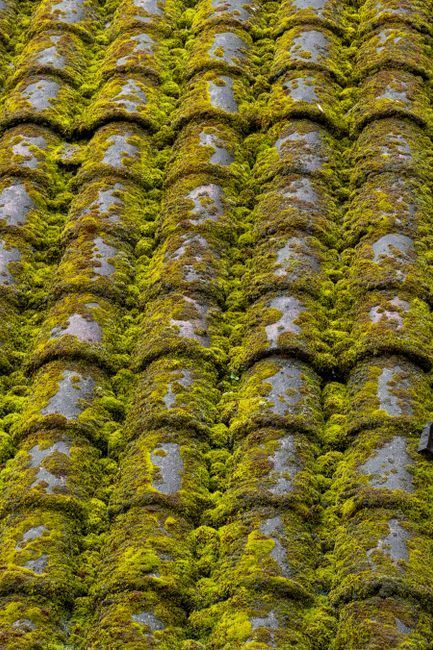
Plenty of Hull's Victorian and Edwardian terraces still have their original chimney stacks, and even where the fires are long gone the stacks remain. Up there the brickwork and mortar take a battering from wind and rain, and over the years the pointing crumbles and lets water creep in.
A neglected stack sheds bits of mortar into the gutters and grows its own crop of moss, and the joint where it meets the roof is a classic leak point. On the exposed rooflines around Hessle Road and the older parts of the city, the wind off the Humber works away at these stacks harder than you might expect.
2. Flashing: The Metal That Seals the Joins
Flashing is the strip of metal, usually lead, that seals the join between the roof and anything sticking through or up from it, like a chimney, a wall or a vent. It is a simple idea doing a vital job, bridging the gap where tiles alone cannot keep water out.
Trouble comes when flashing lifts, cracks or pulls away, which happens as the sealant behind it ages and the metal shifts with heat and cold. Once there is a gap, water runs straight behind it and into the roof structure. It is one of the most common causes of a leak, and one of the easiest to miss from the ground.
3. The Ridge: Where Both Slopes Meet
The ridge is the line along the very top where the two slopes of the roof come together, capped by a row of ridge tiles. Traditionally these were bedded in mortar, and on Hull's older roofs that mortar has often had decades to weaken, crack and let go.
When ridge mortar fails, tiles can loosen or slip, and gaps open up right at the highest, most exposed part of the roof. Wind-driven rain finds those gaps easily, and a loose ridge tile in an East Yorkshire gale is both a leak risk and a safety worry for whatever is below.
4. Why Moss Makes These Areas Worse
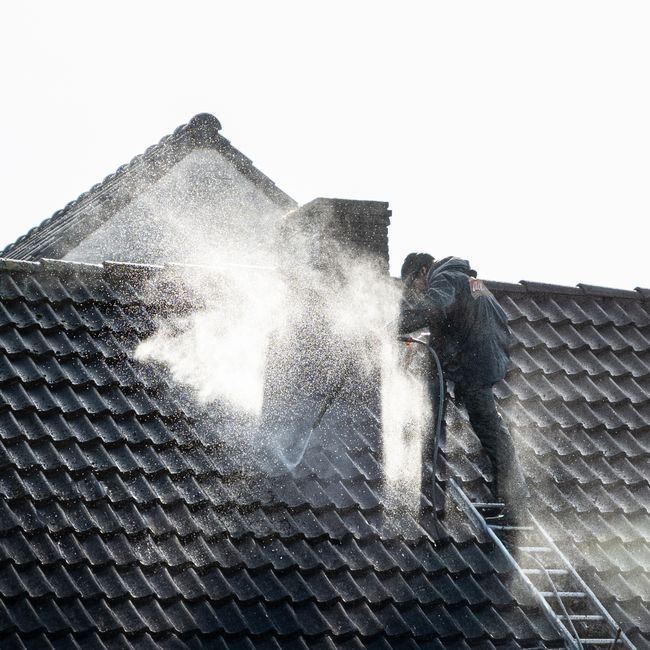
Moss loves a join. It gathers in the mortar around the ridge and the chimney and along the edges of flashing, holding water right against the very parts that most need to stay dry. That trapped moisture speeds up the decay of mortar and quietly eats away at the seal.
Clearing moss from these details is not just about looks. When a roof is soft washed, getting the growth out of the ridge line and around the stack helps those joins dry properly and slows the damage. In Hull's damp climate, where moss never really stops growing, that regular clearing genuinely extends the life of the seal.
5. Spotting Trouble Before the Leak
You can catch a lot from the ground with a decent pair of eyes. Look for ridge tiles that sit unevenly, dark streaks running from the chimney, bits of mortar in the gutters or moss packed thickly along the top of the roof. Inside, a stain near a chimney breast is a strong hint the flashing has gone.
The tricky part is that these details are the hardest to see clearly and the most dangerous to inspect yourself. A cleaner working on the roof gets a close look at exactly these spots, which is why a routine clean often turns up a problem while it is still cheap to sort.
6. Keeping the Details in Good Order
Looking after these areas is mostly about not ignoring them. Having the roof cleaned and checked every few years means the moss gets cleared off the joins and any early sign of failing mortar or lifted flashing is spotted before it turns into water on your ceiling.
Roof cleaning and repointing or resealing are separate jobs, but they go hand in hand. A clean gives a clear view of the ridge, stack and flashing, so you know whether they need attention. For the older housing right across Hull, that regular once-over is what keeps a sound roof sound.
- Chimney: Old stacks lose mortar and leak at the join with the roof.
- Flashing: Lead seals the joins, but lifts and cracks with age to let water in.
- Ridge: Failing mortar loosens ridge tiles at the most exposed part of the roof.
- Moss: It packs into joins and holds water against the parts that must stay dry.
- Inspection: A roof clean gives a close look at the details you cannot see from below.
Frequently Asked Questions
Why do leaks so often start at the chimney rather than the tiles?
Because the join where the stack meets the roof relies on flashing and mortar, not tiles. Those age and fail faster than the surrounding roof, so water gets in there first.
What is flashing and why does it fail?
It is the metal, usually lead, that seals joins in the roof. It fails when the sealant ages and the metal lifts or cracks, opening a gap that lets water run behind it.
How do I know if my ridge needs attention?
Look for ridge tiles sitting unevenly or bits of mortar in the gutters. On older Hull roofs the bedding mortar weakens over time, so a loose or slipped ridge tile is a common sign.
Does moss really damage these areas?
It does. Moss packs into the mortar around the ridge and chimney and holds water there, speeding up decay of the very joins that need to stay dry, which is why clearing it matters.
Can you clean these details as part of a roof clean?
Yes. A soft wash clears moss from the ridge, stack and flashing, and working up close gives a clear view of any failing mortar or lifted metal that needs a repair.
Not sure what's going on around your chimney or ridge?
Ben's Roof Cleaning clears and checks the joins that leaks start from across Hull and East Yorkshire, with over 15 years of experience. Get in touch or call 01482 251089
for a free, no-obligation quote.
The Small Details Hold the Roof Together
A roof is only as watertight as its weakest join, and the chimney, flashing and ridge are exactly where those joins live. Keep the moss off them, keep an eye on the mortar and the metal, and you head off the leaks that catch so many Hull homeowners by surprise. Look after the bits people forget, and the tiles will look after themselves.