How a Biocide Treatment Keeps Your Roof Cleaner Longer
You pay to have your roof cleaned, it looks great, and then a year or two later the green starts creeping back. If that sounds familiar, the missing piece was probably a proper biocide treatment, the step that turns a quick clean into one that actually lasts.
Most people think roof cleaning is just about removing what they can see. The removal matters, but on its own it does not stop the growth coming straight back, especially in a damp place like Hull. The treatment is what changes that, and it is worth understanding why. Here is what a biocide does and why it makes such a difference.
The quick answer: A biocide kills the moss, algae and lichen at the root and keeps working for months after the wash, so your roof stays clean far longer than removal alone would manage.
1. What a Biocide Actually Is
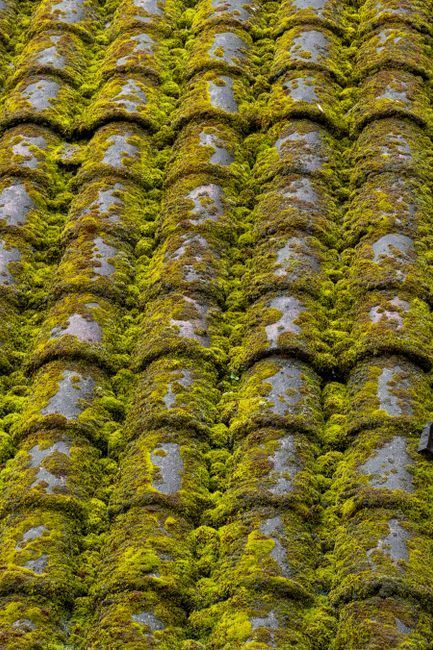
A biocide is a treatment designed to kill and hold back biological growth, in this case the moss, algae and lichen that colonise a roof. It is applied at low pressure so it soaks into the surface of the tiles and gets right into the growth rather than just wetting the top.
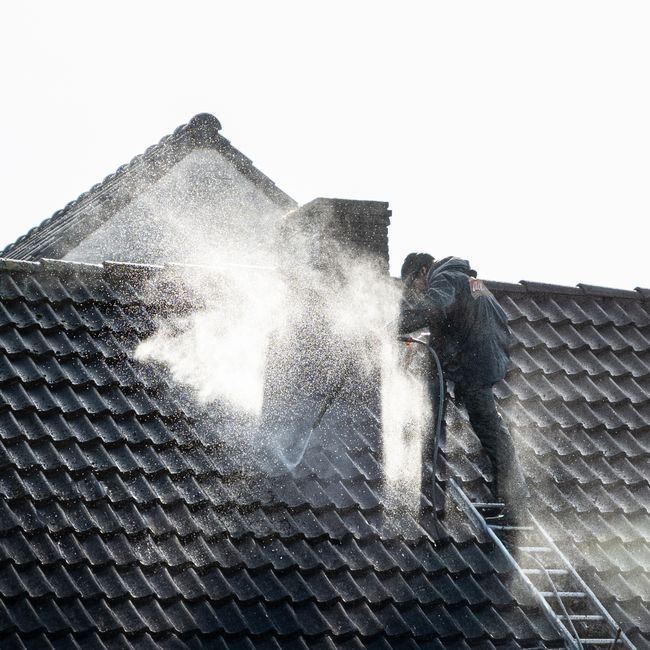
This is the heart of what soft washing does. The low-pressure water carries the biocide across the roof, and instead of blasting the moss off in a way that damages tiles, the treatment kills it so it dies back and weathers away. It is a gentler, more thorough approach that suits the older tiles common across Hull.
2. Killing Growth at the Root, Not Just the Surface
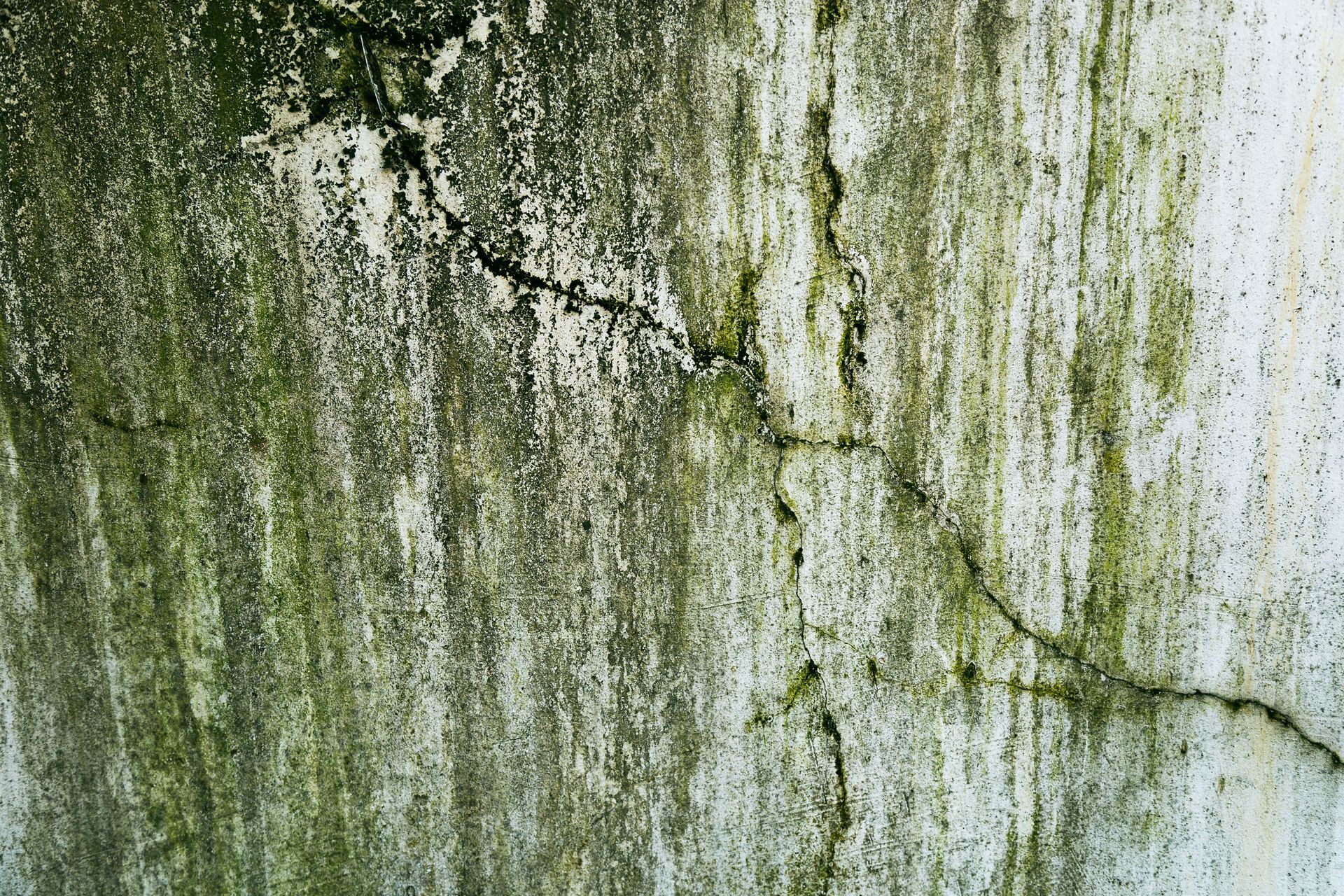
The reason removal alone falls short is spores. Moss and algae spread from tiny spores that lodge deep in the texture of a tile, and scraping or washing off the visible layer leaves those spores behind, ready to regrow the moment conditions suit them.
A biocide reaches what the eye cannot. It kills the growth down at that root level, including the spores waiting to start the next generation, so the roof is not just clean on the surface but genuinely cleared. In Hull's constantly damp air, where regrowth is quick, that deeper kill is exactly what keeps a roof clear.
3. Why the Treatment Keeps Working
The clever part is that a biocide does not stop when the job ends. It stays active in the surface of the tiles for months, so as fresh spores blow in and try to take hold, they meet a surface that is still hostile to them and cannot get established.
That lingering protection is what stretches the time between cleans. Rather than the moss racing back within a season, the treatment holds it off well into the future. Given how fast roofs green over near the Humber, that ongoing effect is the difference between cleaning every couple of years and every four or five.
4. Gentle on Tiles, Tough on Moss
One of the big advantages is how kind the method is to the roof. Because the biocide does the real work, there is no need for high pressure, which means no risk of stripping the tile surface or forcing water under the laps the way a jet wash does.
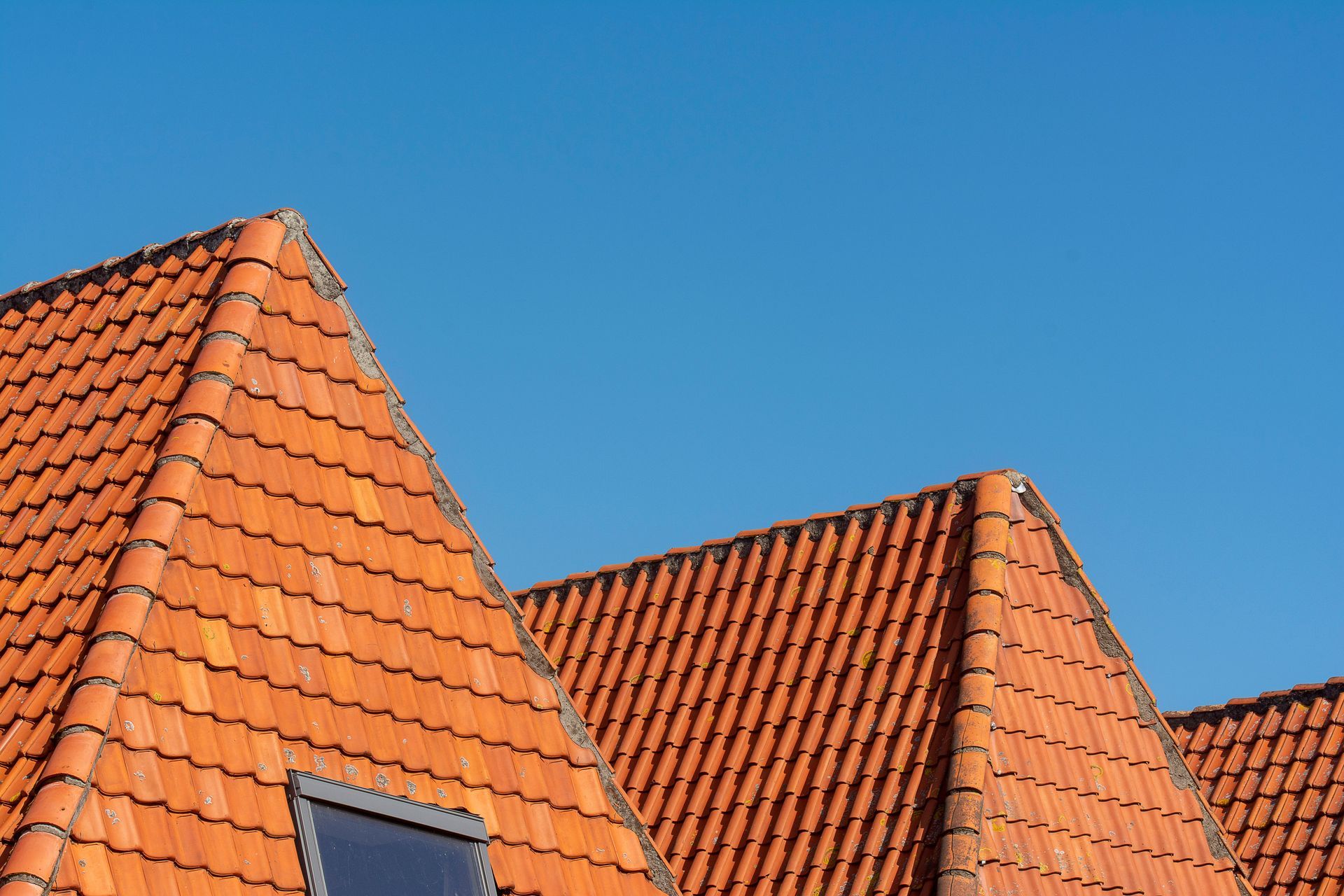
That matters a lot on Hull's older housing, where the clay pantiles and plain tiles have already weathered decades and cannot take rough treatment. The biocide clears them thoroughly while leaving them intact, so you get a clean roof without trading it for cracked or damaged tiles down the line.
5. Sometimes It Cleans as It Weathers
With some treatments you do not even see the full result on the day. After the biocide kills the moss and algae, the dead growth is left to weather off naturally over the following weeks as the rain and wind do their part, and the roof keeps looking better after the visit.
Given how much rain rolls in off the North Sea, Hull's weather actually helps here, gradually washing away the dead growth. It means the roof carries on improving rather than needing everything scrubbed off in one go, which is easier on the tiles and on the overall finish.
6. Making the Most of a Treated Roof
To get the longest life out of a treatment, it pays to keep the rest of the roof in order. Clearing the gutters so water drains properly, and cutting back any overhanging branches that drop leaves and shade the tiles, both slow down the return of growth.
Beyond that, a treated roof mostly looks after itself for a good few years. When the green does eventually start to show again, that is the signal to book another soft wash and reset the protection. For homes across Hull, that cycle keeps a roof clean with far less fuss than repeated scrubbing ever could.
- Biocide: A low-pressure treatment that kills moss, algae and lichen on the roof.
- Root-level kill: It reaches the spores that removal alone leaves behind.
- Lasting effect: It stays active for months, holding off fresh growth.
- Gentle method: No high pressure means no damage to older Hull tiles.
- Natural weathering: Dead growth washes away over the following weeks.
Frequently Asked Questions
What is a biocide and is it safe for my roof?
It is a treatment that kills roof moss and algae, applied at low pressure so it soaks in without damaging the tiles. It is gentler on a roof than pressure washing, especially older clay tiles.
Why does moss come back if I skip the treatment?
Because removal leaves the spores behind. Without a biocide to kill growth at the root, fresh moss regrows quickly, and Hull's damp air off the Humber speeds that return right up.
How long does a biocide keep working?
It stays active in the tile surface for months after the wash, holding off new growth. That lingering effect is what lets a treated roof stay clean for several years rather than one.
Will my roof look perfect the same day?
Sometimes, but not always. Some treatments kill the growth and let it weather off naturally over the following weeks, so the roof keeps improving after the visit as the rain washes the dead moss away.
Can I make the treatment last even longer?
Yes. Keeping the gutters clear and cutting back overhanging branches reduces shade and debris, both of which slow the return of moss and help the biocide protect the roof for longer.
Want a roof clean that actually lasts?
Ben's Roof Cleaning soft washes and treats roofs so they stay clear across Hull and East Yorkshire, with over 15 years of experience. Get in touch or call 01482 251089
for a free, no-obligation quote.
The Treatment Is What Makes It Last
Removing the moss you can see is only ever half the job. It is the biocide working away beneath the surface and long after the visit that keeps a roof genuinely clean, killing the growth at its root and holding off the next wave. In a city as damp as Hull, that treatment is the part that turns a short-lived clean into years of a roof you do not have to think about.