Those Black Streaks on Your Roof: What the Algae Really Is
You have probably seen it without ever thinking hard about it: those dark, dirty-looking streaks running straight down a roof like something has leaked from the ridge. Maybe you have them on your own place and assumed it was just grime or soot from years gone by.
It is a fair guess, but it is not quite right. Those streaks are alive, and knowing what they actually are explains why they never seem to wash off no matter how much rain hits them. Once you understand it, the fix makes a lot more sense too. Here is what is really going on up there.
The quick answer: Those black streaks are algae, a living growth feeding on the roof, which is why ordinary rain cannot shift them and only a proper clean and treatment removes them for good.
1. Algae, Not Dirt
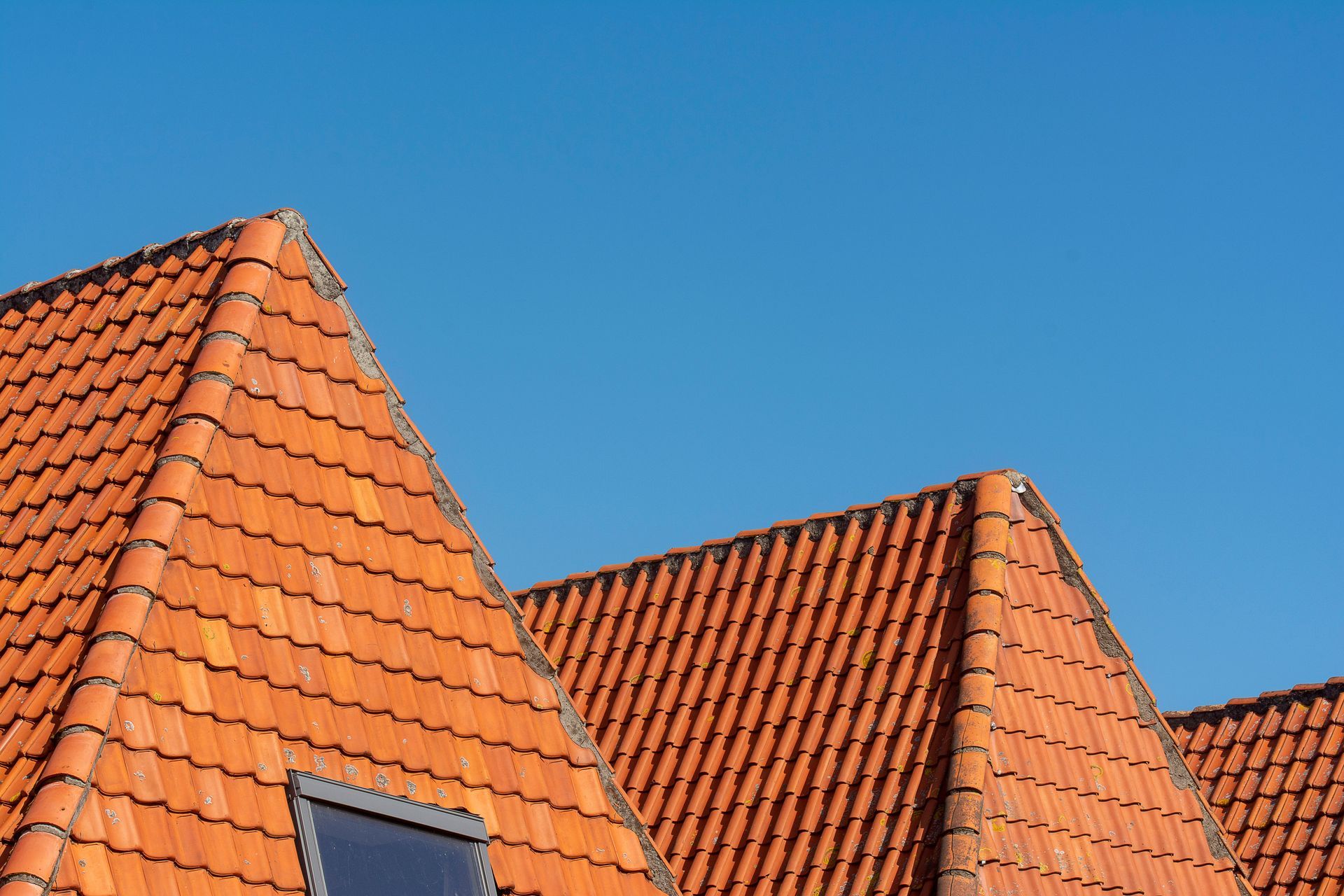
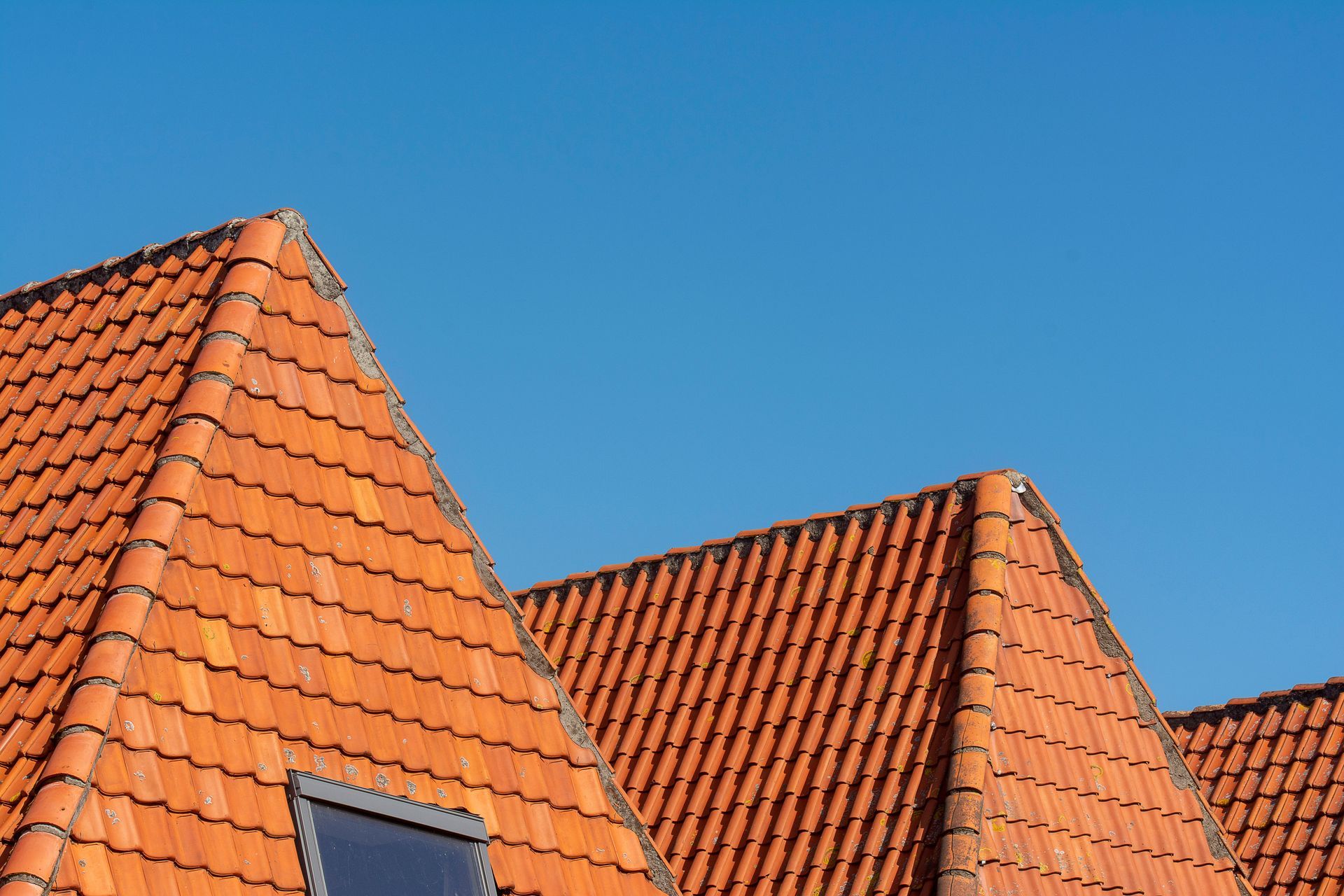
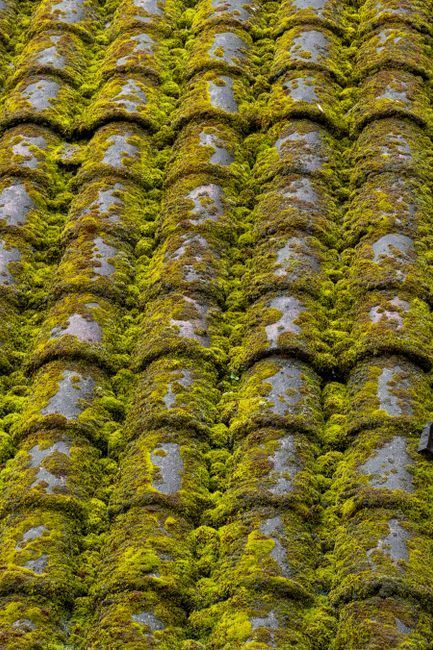
The first thing to get straight is that the streaks are not dirt at all. They are a type of algae, a simple living organism that colonises the roof and spreads across the tiles, most visibly as those dark grey-to-black stains running down the slope.
Because it is alive and growing rather than just sitting there like dust, it behaves completely differently from grime. It anchors into the surface and feeds off the roof, which is exactly why a good downpour, the kind Hull gets plenty of off the North Sea, does nothing to move it.
2. Why It Streaks Downwards
The pattern is not random. The algae tends to take hold higher up, often near the ridge, and every time it rains the water washes spores and traces of the growth down the slope, seeding new growth in vertical lines as it goes. That is why you get those distinctive streaks rather than an even coating.
You will often see it worst on the roof slopes that face away from the sun. On a typical Hull terrace, the north-facing side stays damp and shaded longest, so the algae thrives there while the sunnier side may look far cleaner, which is a good clue to what you are dealing with.
3. What Feeds It in Hull
Algae needs moisture, and Hull supplies it in spades. The damp air off the Humber estuary, the sea fret that drifts in, and the flat, low-lying ground that holds moisture all combine to keep roofs damp for long stretches, which is exactly the condition algae loves.
The tiles play a part too. Some roofing, and older tiles in particular, hold moisture and give algae a foothold, and there is a common belief that limestone or mineral traces can even feed certain growth. Whatever the fine detail, the result across East Yorkshire is the same: a climate and housing stock that let algae flourish.
4. Is It Actually Harmful?
Algae is less destructive than moss, which physically lifts tiles and holds thick pockets of water, but it is not harmless either. It keeps the roof surface damp, which over time can contribute to the slow wear of the tiles and helps create the conditions for moss and lichen to move in alongside it.
The bigger issue for most people is how it looks. Those black streaks make an otherwise sound roof look neglected and drag down the appearance of the whole house, so even where the harm is mostly cosmetic, there is a good reason to want it gone.
5. Why You Cannot Just Wash It Off
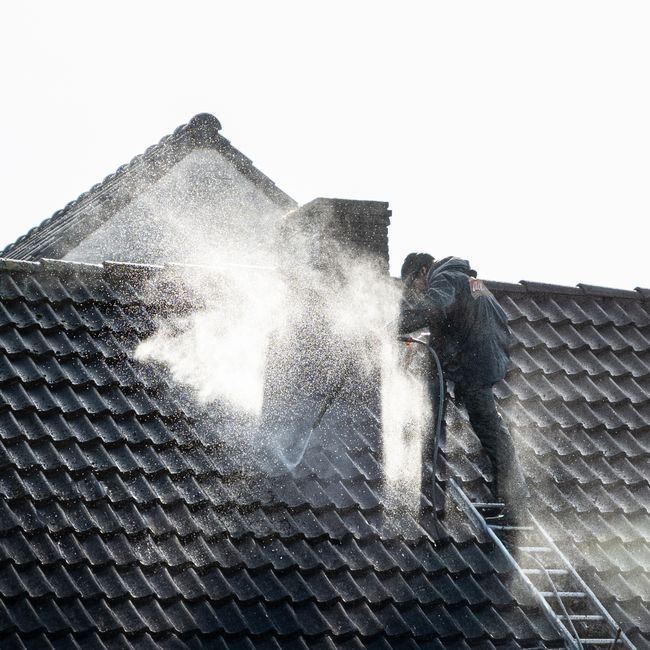
Since the algae is a living thing rooted into the surface, simply rinsing it, or even blasting it with a pressure washer, does not solve the problem. You might knock the visible layer back for a while, but the growth is still established and the spores are still there, so it returns before long.
Worse, high pressure damages the tiles while failing to fix the cause, and on Hull's older clay pantiles that is a real risk. The only approach that genuinely works is to kill the algae rather than just move it, which is where a proper soft wash and biocide come in.
6. Clearing It for Good
A soft wash treats the streaks the right way. Low-pressure water carries a biocide across the roof that kills the algae down to the root, and because the treatment keeps working afterwards, it stops fresh growth getting established again for a good while.
That combination of killing what is there and holding off what tries to return is what clears the streaks properly. In Hull's damp climate the algae will eventually try to come back, so a repeat treatment every few years keeps the roof clean, but a soft wash is the thing that actually deals with it rather than smearing it around.
- Algae: A living growth, not dirt, which is why rain never shifts it.
- Streaks: Rain washes spores down the slope, seeding those vertical lines.
- Damp climate: Humber moisture and shaded slopes let algae thrive here.
- Mostly cosmetic: It keeps tiles damp and looks bad more than it destroys.
- Soft wash: A biocide kills it at the root where rinsing and pressure fail.
Frequently Asked Questions
Are the black streaks on my roof just dirt or soot?
No, they are algae, a living growth rather than dust or grime. That is why they cling to the tiles and ordinary rain never washes them away, no matter how heavy it falls.
Why do the streaks always run straight down?
Because the algae takes hold higher up and rain washes its spores down the slope, seeding new growth in vertical lines. The pattern follows the way water runs off the roof.
Why is the algae worse on one side of my roof?
The shaded, north-facing slope stays damp and out of the sun longest, which is exactly what algae needs, so it grows there first while the sunnier side often stays cleaner.
Will the algae damage my roof?
It is less harmful than moss but not harmless. It keeps the surface damp, contributes to slow wear and invites moss and lichen, though for most people the main problem is how it looks.
Can I just pressure wash the streaks off?
It is best not to. Pressure washing damages tiles and does not kill the algae, so it returns. A soft wash with a biocide kills it at the root and keeps it off far longer.
Tired of the black streaks down your roof?
Ben's Roof Cleaning clears algae properly with careful soft washing across Hull and East Yorkshire, with over 15 years of experience. Get in touch or call 01482 251089
for a free, no-obligation quote.
Know What You Are Looking At, Then Deal With It
Those dark streaks are not a stain to be scrubbed but a living growth to be killed off, and that one bit of understanding changes how you tackle them. Rain will never win against algae, and a pressure washer only trades the streaks for damaged tiles. A proper soft wash kills it at the source and keeps a Hull roof looking clean the way it should.