How Blocked Gutters Lead to Damp Walls in Hull Homes
You spot a dark patch creeping across an inside wall, maybe in an upstairs bedroom or above a window, and your first thought is a leaking roof. Often the real cause is much lower down and much simpler: a gutter that stopped doing its job months ago.
Gutters are easy to forget because they only matter when it rains, and by then you are inside not looking at them. But when they clog, the water has to go somewhere, and in a place like Hull where the rain comes in off the North Sea for days at a stretch, that somewhere is usually your walls.
The quick answer: Blocked gutters overflow and pour water straight down your outside walls, soaking the brickwork until the damp works through to the inside, which is why clearing them is the cheapest way to keep walls dry.
1. What Actually Blocks a Gutter
Most blockages are a slow build-up of ordinary stuff. Leaves, moss washed down off the roof, windblown grit and the odd bit of ball or bird nest all collect in the channel, and once they gather at a bend or a downpipe outlet the water starts to pond behind them.
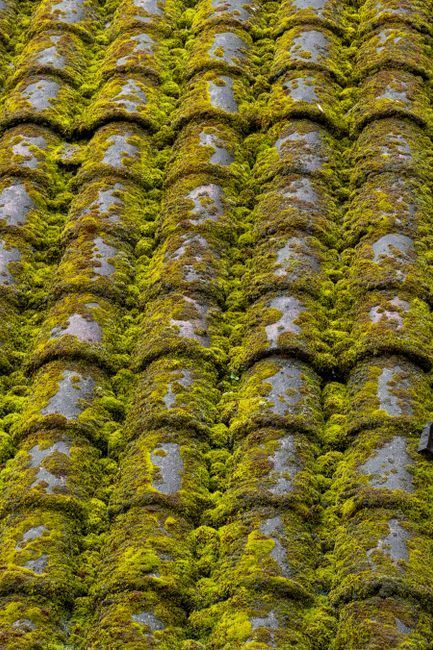
In Hull the moss is a big contributor. The damp air off the Humber keeps roofs green, and every time it rains, bits of that moss slide down into the gutter and pack together. On the long terraces off Hessle Road, where gutters run continuously between houses, one clogged section can back up water along several homes.
2. How Overflow Reaches Your Walls
A working gutter catches the water coming off the roof and carries it to a downpipe and away. When it blocks, the water tops the edge of the gutter instead and sheets straight down the wall below, hour after hour, every time it rains.
Brick and mortar are not fully waterproof, they are meant to shed a bit of rain and dry out between showers. Constant overflow never gives them that chance. The wall stays saturated, and Hull's low-lying, damp climate means it barely dries even on the fairer days, so the water keeps pushing inward.
3. From Wet Brick to Damp Bedroom
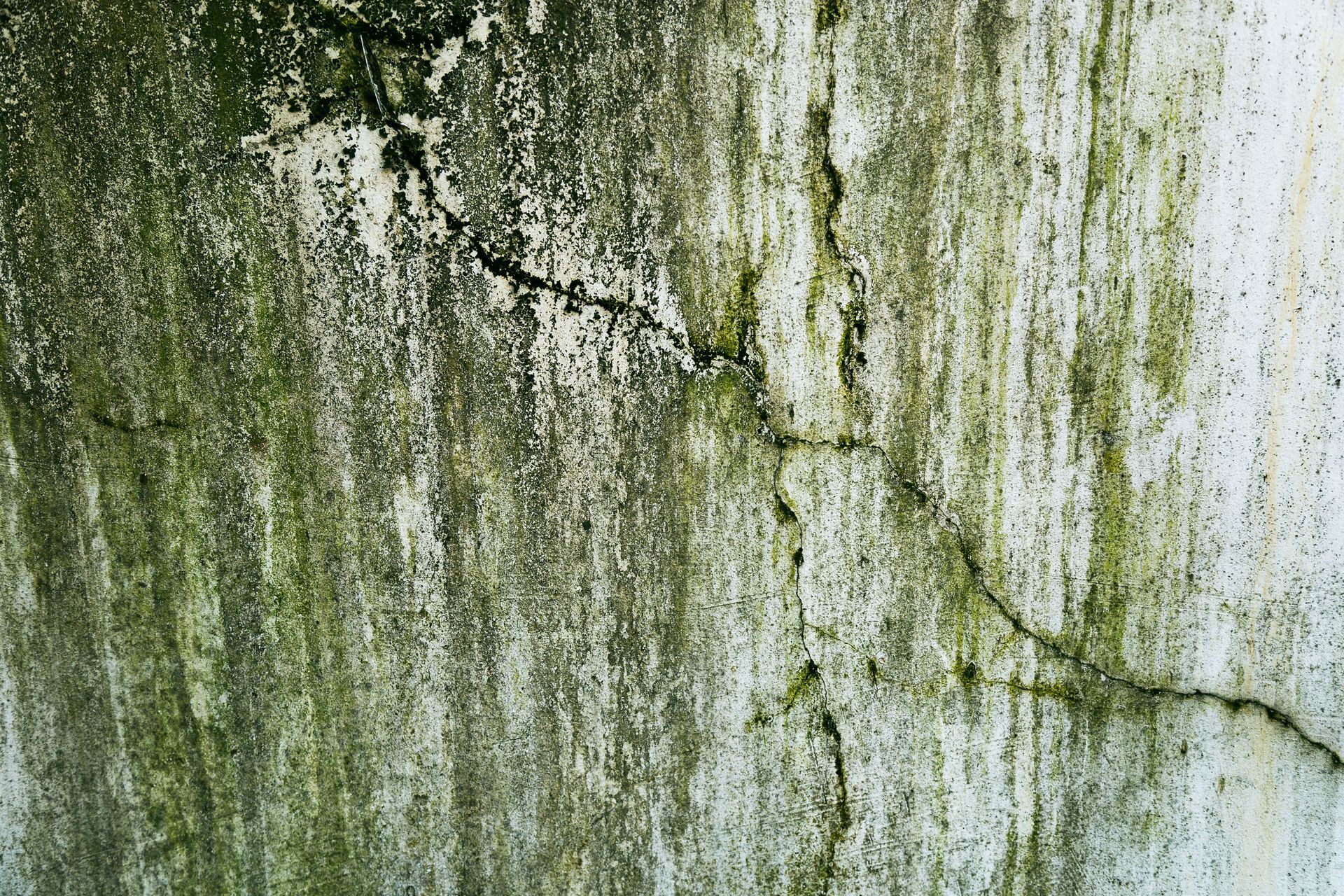
Once the outside face of a wall is soaked for long enough, moisture travels through to the inside. You see it as a spreading stain, feel it as a cold patch, or smell it as that musty note that hangs around a damp room. Wallpaper lifts and paint blisters as the plaster behind stays wet.
Left alone it gets worse. Persistent damp feeds black mould, rots skirting and window timber, and can even affect the plaster to the point it needs hacking off and redoing. What began as a handful of leaves in a gutter turns into a proper repair bill, all because the water had nowhere else to go.
4. Why Older Hull Houses Are More at Risk
A lot of Hull's housing is solid-wall Victorian and Edwardian terrace, built without the cavity that newer homes use to stop damp crossing to the inside. On these older walls, a soaked outside face has a much shorter journey to reach your plaster, so blocked gutters bite faster.
Add in the flat, low ground the city sits on and the sheer amount of rain that blows in off the estuary, and these houses are working hard to stay dry at the best of times. Keeping the gutters clear takes one of the biggest pressures off them and lets the walls do their job.
5. Spotting the Problem Before It Spreads
You do not need to climb up to catch a blocked gutter. During heavy rain, step outside and look for water spilling over the front edge or streaming down the wall instead of running out of the downpipe. Green streaks or a permanently wet strip of wall below the gutter are dead giveaways.
Inside, watch for stains that appear high on a wall or near the ceiling on the same side as a gutter, and for damp that always seems worse after a wet spell. Catching it at the streak stage is far cheaper than waiting until the plaster is ruined and the mould has moved in.
6. Keeping Gutters Clear the Easy Way
The fix is refreshingly simple: clear the gutters before they cause trouble, ideally once or twice a year. Autumn is the key time as the leaves come down, and a check before winter means the gutters are ready for the long wet months ahead.
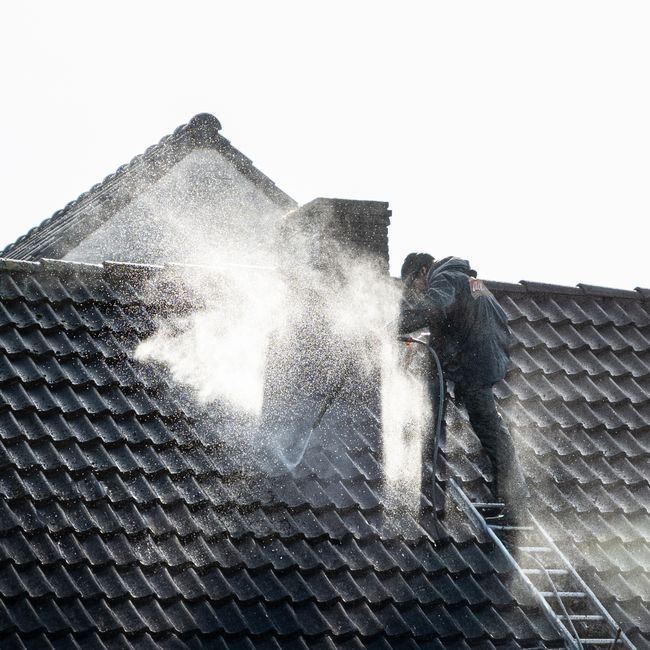
Doing it safely is the catch, since it means working at height above hard ground or narrow ten-foot back lanes. Ground-based vacuum systems now clear most gutters from the safety of the ground, which is far better than balancing a ladder on uneven Hull pavements. Pairing a gutter clear with a roof clean also cuts the moss at source, so less ends up in the channel next time.
- Common blockages: Leaves, roof moss, grit and nests that pond water behind them.
- Overflow: A full gutter sheets water straight down the wall instead of to the downpipe.
- Solid walls: Older Hull terraces have no cavity, so damp reaches the inside faster.
- Warning signs: Overflow in the rain, wet strips of wall and high internal stains.
- Prevention: Clear gutters once or twice a year, especially before winter.
Frequently Asked Questions
Can a blocked gutter really cause damp inside my house?
Yes, very commonly. Overflowing water soaks the outside wall until moisture works through to the inside, which is why gutter blockages are one of the first things to check when a damp patch appears.
How do I know if my gutter is blocked?
Look during heavy rain. If water spills over the edge or runs down the wall rather than out of the downpipe, it is blocked, and a permanently wet strip of wall below the gutter confirms it.
How often should I clear my gutters in Hull?
Once or twice a year for most homes. The damp air keeps roofs mossy and that moss washes into gutters, so properties near the estuary or under trees often need clearing more often.
Why do older Hull houses suffer more?
Many are solid-wall terraces with no cavity to stop damp crossing inward. A soaked outer wall reaches the plaster far quicker than it would on a modern cavity-walled home.
Is it safe to clear gutters myself?
It carries real risk from working at height, especially over hard ground or back lanes. Ground-based vacuum systems let the job be done safely from below without a ladder.
Worried a blocked gutter is soaking your walls?
Ben's Roof Cleaning clears gutters and stops damp at its source across Hull and East Yorkshire, with over 15 years of experience. Get in touch or call 01482 251089
for a free, no-obligation quote.
Clear Gutters Are the Cheapest Damp Insurance
It is easy to overlook the humble gutter until a wall tells you something is wrong. A short clear once or twice a year keeps the water running where it should and spares you the far bigger job of putting damp brickwork and ruined plaster right. In a city as wet as Hull, that little bit of upkeep is some of the best-value maintenance a home can get.