Soft Washing vs Pressure Washing a Hull Roof
The moss has crept across your roof and you want it dealt with. Fair enough. Before you let anyone at it with a pressure washer, though, it's worth knowing that the fastest-looking method is often the one that does a Hull roof the most harm, especially the clay pantiles you see right across East Yorkshire.
Two approaches do the job, and they work in completely different ways. One forces the growth off. The other kills it and lets it fall away on its own. Here's how they compare, and why the gentle one suits the pantile and brick terrace roofs Hull is built from.
The quick answer: Soft washing uses low-pressure water and a biocide to kill moss and algae at the root without harming the roof. Pressure washing blasts it off by force, which can crack pantiles, strip tile coatings and drive water underneath. For most Hull homes, soft washing is safer and keeps the roof cleaner for far longer.
1. What a pressure washer really does to your pantiles
Aim a pressure washer at a mossy roof and it comes up clean in minutes. That's the pull. The harm is the part you don't notice until months later.
Every pantile and slate has a weathered outer skin that helps it shed rain. A high-pressure jet scours that skin away, leaving the surface rougher and more open than it was. Rough surfaces hold water and dirt, so the moss returns thicker and faster. On Hull's older roofs the risk climbs. The S-shaped pantiles that give East Yorkshire roofs their look are only single-lapped, so a hard jet can crack one, lift it, or drive water straight underneath and into the roof space. One clean summer, then a worn roof for good.
2. How soft washing gets there without the damage
Soft washing takes the opposite path. Rather than forcing the growth off, you kill it where it sits.
A gentle, low-pressure spray carries a biocide across the whole roof, and that solution kills the moss, algae and lichen down to the root. Over the following weeks the dead growth loosens and rinses away in the rain. Nothing is scoured, nothing is driven under the tiles, and the treatment keeps working after the job is done. It takes a little patience, and it pays you back in years of a cleaner roof.
3. Why Hull's pantile roofs need a careful hand
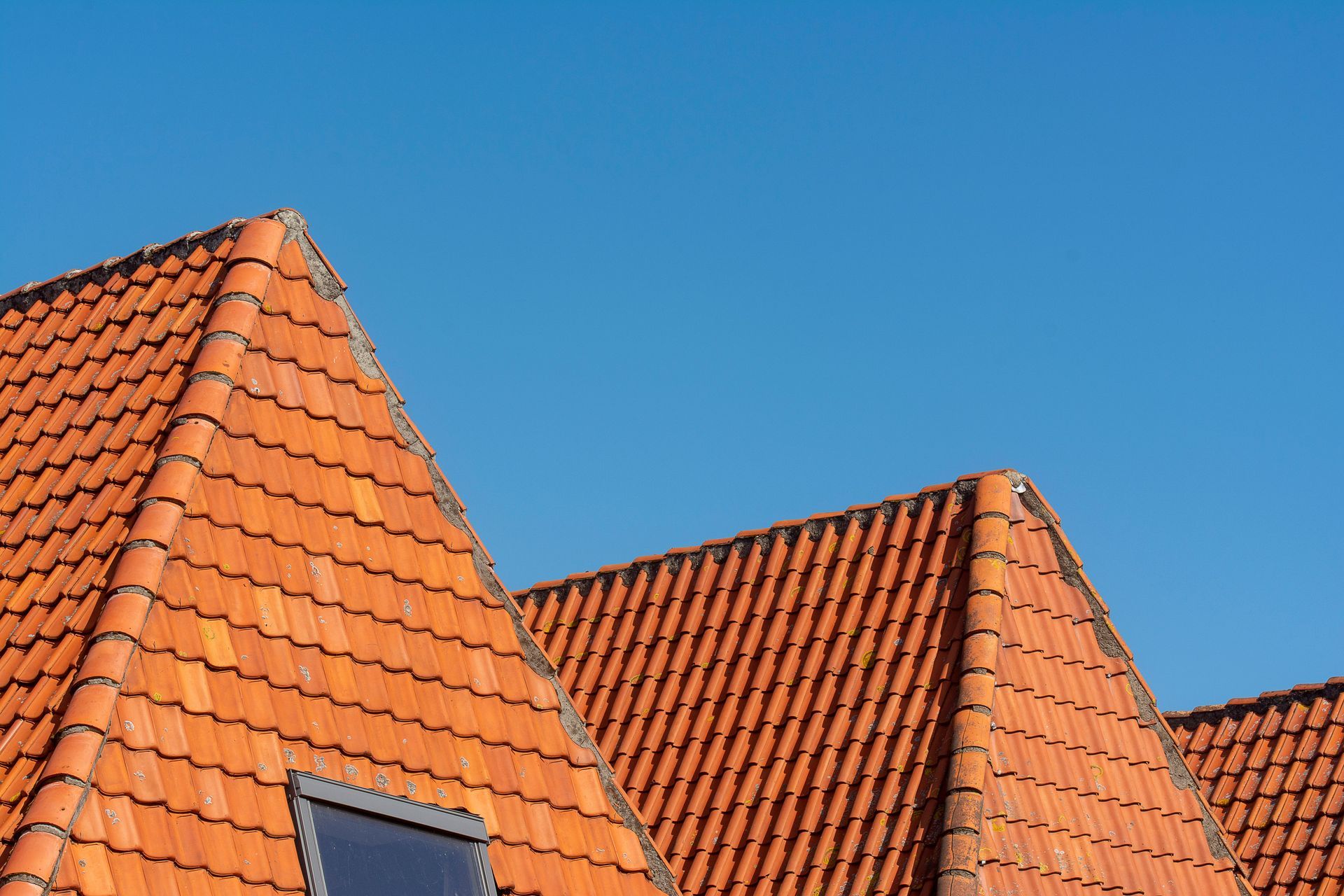
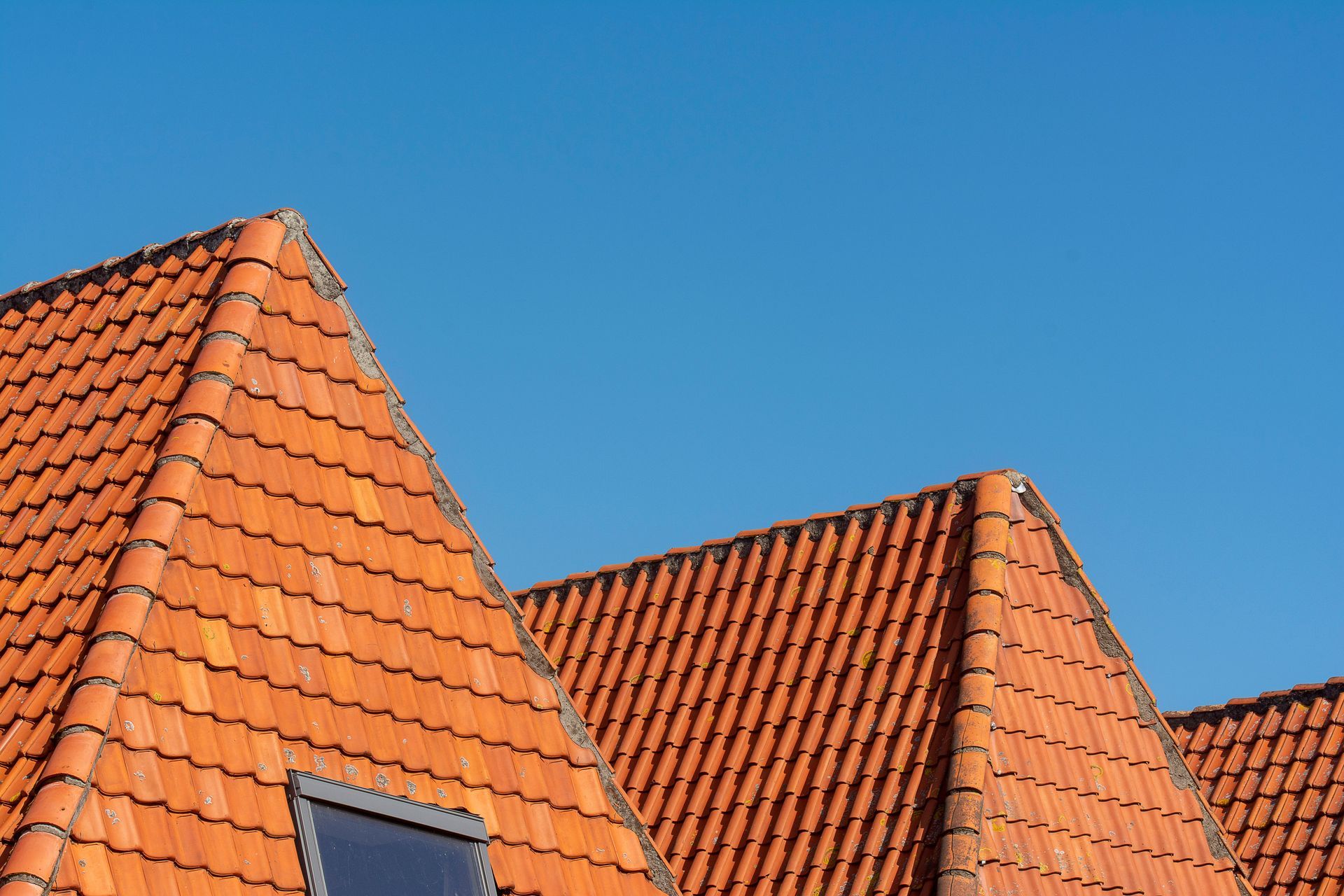
Pantiles are part of Hull's character. Those curved orange-red clay tiles roof street after street of Victorian and Edwardian terrace, from the Avenues to the older streets off Beverley Road and Holderness Road. Much of it is original and laid a century or more ago.
Pantiles are handsome and hard-wearing, but they sit in single overlapping courses rather than the double lap of a slate roof, so there's less margin if water is forced where it shouldn't go. Old ones grow brittle too. A pressure jet has no mercy for either. Soft washing clears the moss without putting a single pantile at risk. On roofs that have already lasted generations, that care only makes sense.
4. What the job looks like on a Hull home
A proper soft wash starts with a look at the roof, the gutters and how to reach it all safely. Terraces often mean access front and back, and a wet roof is no place to hurry.
Loose moss is cleared gently first so the biocide can reach the surface. Then the whole roof is treated with the low-pressure spray, and the gutters are usually cleared at the same time, since that's where the loosened moss ends up. No roaring engine, no green slurry running down the street. Just a steady, careful job that leaves the roof improving for weeks afterward.
5. The method that actually lasts
Here's the real difference between the two. Pressure washing only removes what's on the roof that day. The spores stay put, the surface is left rougher, and in Hull's damp estuary air the moss is soon back.
Soft washing kills the growth at the root and leaves a treated surface behind, so a properly done roof stays clean for years rather than months. Once you add up how often you'd repeat a pressure wash, the gentle method wins on cost as much as on safety.
6. What to ask before anyone climbs a ladder
Not everyone offering roof cleaning does it the same way. A few straight questions tell a careful firm from a risky one:
- Which method do you use? If it's pressure washing on old pantiles, ask why and how they'll protect them.
- Do you treat as well as clean? The biocide step is what stops the moss returning straight away.
- Are the gutters included? Loosened moss has to go somewhere, and it's usually the gutter.
- Do you know Hull roofs? Local know-how with pantiles and terrace access beats a general jet-wash outfit.
- Can I have the quote in writing? A clear price with the method spelled out saves any argument later.
Frequently Asked Questions
Will my roof look clean the same day as a soft wash?
Not fully. The biocide needs a few weeks to kill the growth, then rain rinses the dead moss away. The roof keeps improving well after the visit.
Is pressure washing ever the right tool?
On a patio or a concrete drive, yes. On a roof, and especially old Hull pantiles, it does more harm than good.
Will the biocide harm my garden?
A careful operator covers or rinses nearby plants and mixes the solution correctly. Mention any prized borders before the work begins.
How long before the moss returns?
After a proper soft wash, many Hull roofs go several years before they need doing again. A shaded roof under trees may need it sooner.
Could I just do it myself?
Clearing a little gutter is fine. Working across a wet, sloping pantile roof is genuinely dangerous, and getting the treatment right takes some knowing. Most people are better leaving it to someone set up for the job.
Want your roof cleaned the safe way?
Ben's Roof Cleaning looks after roofs, moss and gutters across Hull and East Yorkshire, with over 15 years of experience. Get in touch or call 01482 251089
for a free, no-obligation quote.
Gentle is the right call on a Hull roof
Blasting a roof clean feels like real progress, but it swaps a good-looking summer for a shorter roof life and moss that keeps returning. Soft washing takes longer to show its full result and leaves your pantiles exactly as sound as it found them. On the pantile roofs that give Hull its look, treating your roof with a bit of care is the choice that pays off.