Cleaning Moss Off a Flat or Low-Pitch Roof in Hull
If your kitchen extension or garage has a flat or shallow roof, you have probably noticed it goes green long before the main pantiles above it do. Water sits where a steep roof would shed it, and that standing damp is exactly what moss wants. In a city like Hull, where the air comes in soft and wet off the Humber, a low-pitch roof can turn into a green carpet in a couple of damp seasons.
The trouble is that these roofs are the ones people least like to walk on and least like to leave alone. Felt tears, fibreglass cracks, and a thick moss layer traps water against the surface until it finds a seam. So you are stuck between wanting it cleared and worrying that clearing it will do more harm than the moss. This guide walks through how to get a flat or low-pitch roof clean without wrecking it.
The quick answer: Clear a flat or low-pitch roof by gently lifting the moss off by hand or with soft tools, then treating the surface with a low-pressure soft wash and biocide so regrowth is slowed, never by blasting it with a pressure washer.
1. Why Flat Roofs in Hull Hold So Much Moss
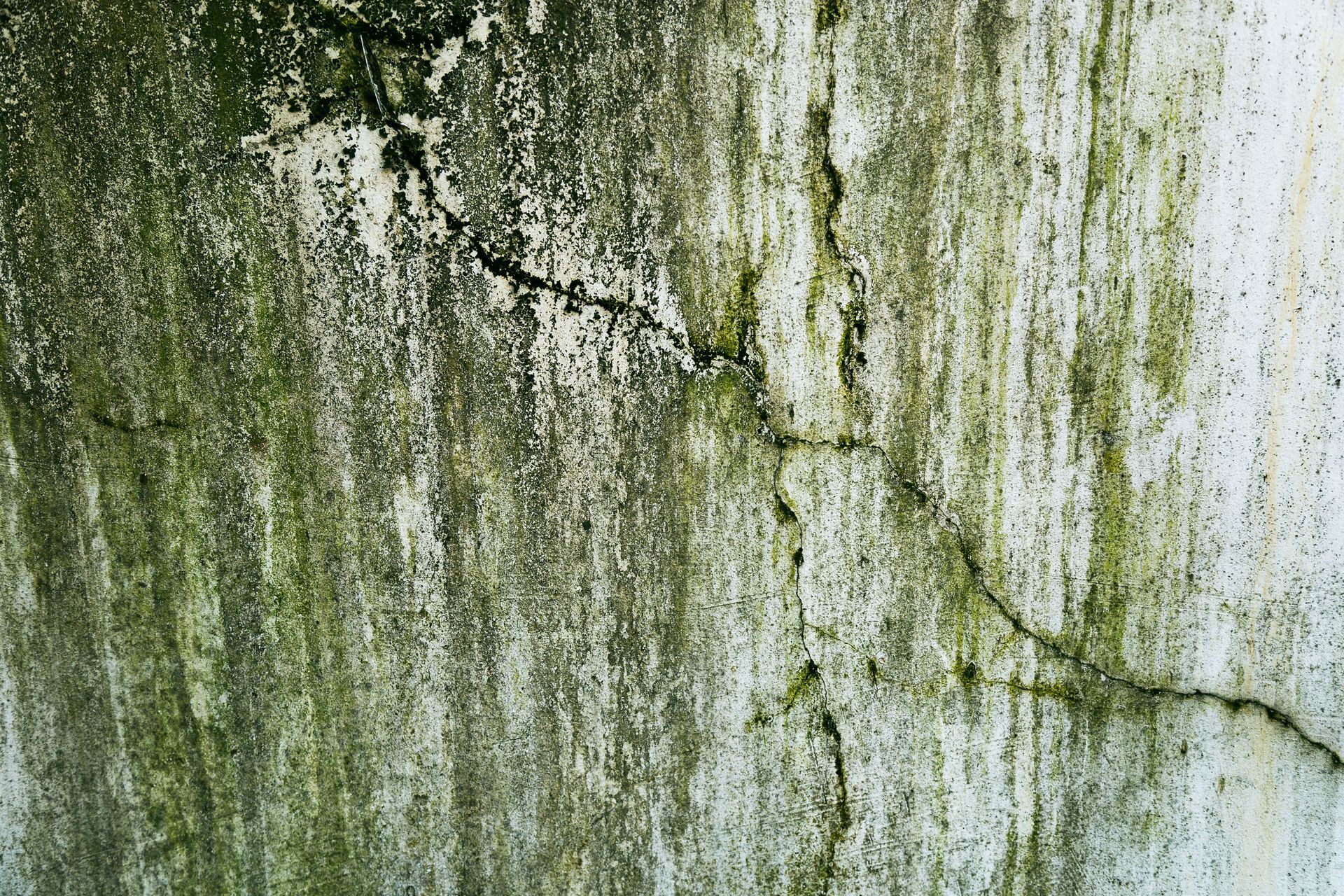
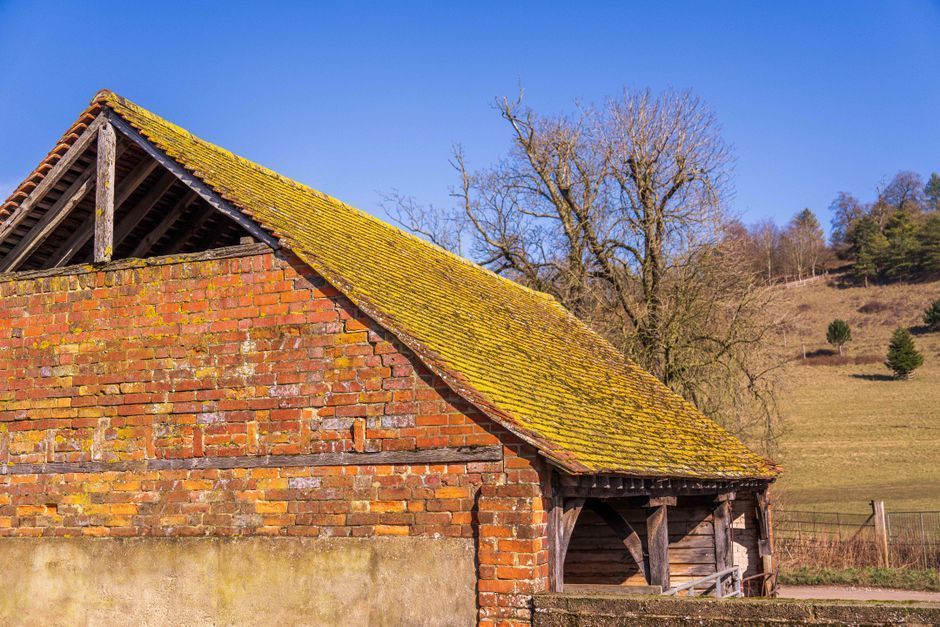
A steep pantile roof works with gravity. Rain runs off, the surface dries between showers, and moss struggles to get a grip. A flat or low-pitch roof has none of that going for it. Water pools in the dips, drains slowly, and stays damp for hours after the rain stops. That constant moisture is the single biggest reason these roofs green up so fast.
Hull makes it worse than most places. The city sits low and flat by the estuary, so damp air lingers rather than blowing through, and the sea fret that rolls in off the North Sea leaves everything wet by morning. On the flat garage roofs behind the terraces off Hessle Road, or the extension roofs in Newland, that combination means moss can take hold within a year of the last clean.
2. Know What Your Roof Is Made Of First
Before you touch anything, work out what the surface actually is. Older flat roofs around Hull are usually felt, sometimes with a layer of stone chippings bonded on top. Newer ones tend to be rubber (EPDM) or fibreglass (GRP), and a few are mineral asphalt. Each one reacts differently to being scraped, so knowing which you have saves you from cracking a surface you meant to save.
Felt is the most fragile once it has aged in the sun and frost. Rubber is tougher but can be nicked by a sharp blade. Fibreglass is hard but its top coat is thin, and once you grind through it the mat underneath soaks up water. If you are not sure what you are looking at, that alone is a good reason to get someone who cleans these roofs regularly to take a look.
3. Why Pressure Washing Is the Wrong Tool Here
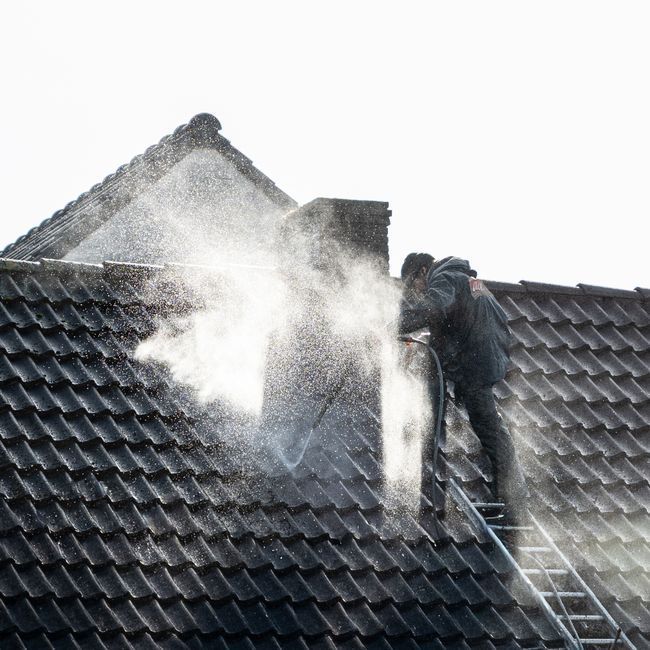
It is tempting to point a pressure washer at a green flat roof and watch it come clean in minutes. Please do not. A high-pressure jet lifts the chippings off felt, forces water under laps and seams, and can peel a GRP top coat clean away. What looks like a quick win turns into a leak a few weeks later, usually right over the room you use most.
This is a common story on the older extensions in the Avenues, where a proud homeowner has a go with a hired machine and ends up needing the whole roof recovered. The moss was a cosmetic problem. The pressure washing turned it into a structural one. Gentle wins every time on a low-pitch roof.
4. The Gentle Way to Lift Moss Off
Start dry where you can. Thick moss lifts off in sheets when you slide a plastic or wooden scraper flat under it, working with the fall of the roof rather than against the seams. Bag it as you go so it does not wash straight into the gutter and cause a fresh blockage. Take your time around any upstand, flashing, or rooflight where the surface is joined.
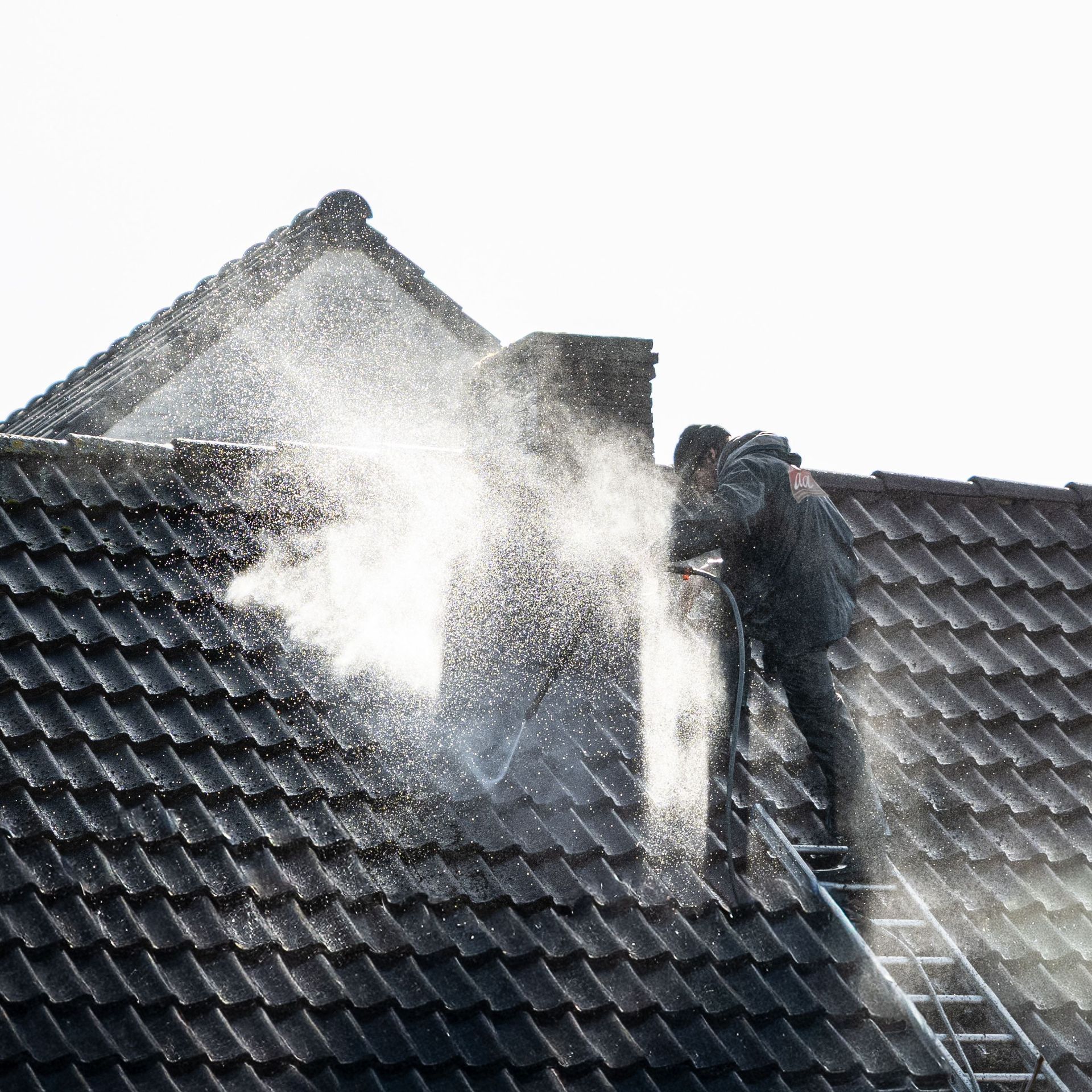
Once the bulk is off, a low-pressure soft wash rinses the last of it away and lets you treat the surface properly. Soft washing means low-pressure water carrying a biocide, not a jet. On a flat Hull roof that has been damp for months, this is the step that actually clears the spores you cannot see, not just the green you can.
5. Treating the Surface So Moss Stays Away Longer
Getting the moss off is only half the job. The spores that grow back are already in the air and settling every damp morning, so a bare clean roof starts greening again almost straight away. A biocide treatment left on the surface keeps working for months, breaking down the fresh growth before it becomes visible. It is the difference between cleaning yearly and cleaning every few years.
On a low-pitch roof this matters even more than on a steep one, because the damp never really leaves. Around Cottingham and the north of Hull, where gardens are leafy and roofs stay shaded, a treated flat roof holds up far better through the wet months than one that was simply scraped clean and left.
6. When to Stop and Call Someone In
Some flat roofs are fine to tidy yourself if you can reach them safely from a low garage or a stable platform. Plenty are not. A soft, spongy surface underfoot, visible splits, or ponding water that never drains all point to a roof that needs a proper look before anyone stands on it, let alone cleans it.
Access is the other honest limit. A dormer or a second-storey flat roof on a Hull terrace is no place to be balancing with a scraper and a bag of wet moss. If getting to it means a ladder and a stretch, that is the point to hand it over to someone with the kit and the experience to do it from the right position.
- Roof type: Felt, rubber, fibreglass, and asphalt each need a different touch, so identify yours before you start.
- Pooling water: Standing damp is the root cause of moss on a low-pitch roof and a sign the fall may need checking.
- No pressure washers: High pressure lifts chippings, forces water under seams, and turns a clean into a leak.
- Biocide follow-up: A treatment after clearing keeps regrowth down far longer than scraping alone.
- Safe access: If you cannot reach it steadily and safely, it is a job for someone properly equipped.
Frequently Asked Questions
Can I use a pressure washer on my flat roof if I keep it on a low setting?
It is still risky, and not worth it. Even a lower setting can lift felt chippings or drive water under seams, so a proper low-pressure soft wash is the safer choice on any flat or low-pitch roof.
How often does a flat roof in Hull need clearing?
Usually every couple of years if it has been treated, sooner if it is heavily shaded. The damp estuary air means Hull roofs green up faster than roofs further inland, so keep an eye on shaded corners.
Will the moss come straight back after cleaning?
Not for a good while if the surface is treated with a biocide afterward. Scraping alone leaves the spores behind, so the treatment is what buys you the longer gap between cleans.
Is moss actually damaging my flat roof or just ugly?
Both, over time. A thick moss layer holds water against the surface and stops it drying, which ages felt and works into seams, so it is worth clearing before it settles in.
Can you clean a garage or extension roof I cannot get onto?
Yes, that is exactly the sort of roof best handled with the right access equipment. Reaching a low-pitch roof safely is half the job, and it is not worth a fall to save a call.
Got a green flat roof you would rather not climb onto?
Ben's Roof Cleaning clears and treats flat and low-pitch roofs across Hull and East Yorkshire, with over 15 years of experience. Get in touch or call 01482 251089
for a free, no-obligation quote.
A Clean Flat Roof Is About the Method, Not the Muscle
The roofs that last longest in Hull are not the ones that get blasted hardest, they are the ones cleaned gently and treated properly. Lift the moss off by hand, rinse with low pressure, and leave a biocide to do the slow work through the damp months. Do that and your flat or low-pitch roof stays clear for years, not weeks, without you ever having to risk the surface or yourself.