What Happens During a Soft Wash, Step by Step
If someone has told you your roof needs a soft wash, you might be picturing a man with a jet washer going at your tiles until they shine. That is the opposite of what actually happens. A soft wash is a slow, careful process built around low pressure and a treatment that does the real work, and knowing the steps helps you tell a proper job from a rushed one.
You are trusting someone to walk on your roof and clean it without doing harm, so it is fair to want to know what you are paying for. Here is exactly what a soft wash involves on a typical Hull home, start to finish, and why each stage matters for a red pantile or brick terrace roof that has spent years in damp estuary air.
The quick answer: A soft wash starts with an inspection, then gutters and loose debris are cleared, moss is gently removed, the roof is rinsed at low pressure, and finally a biocide is applied so the surface stays clean for far longer.
1. The Inspection Comes First
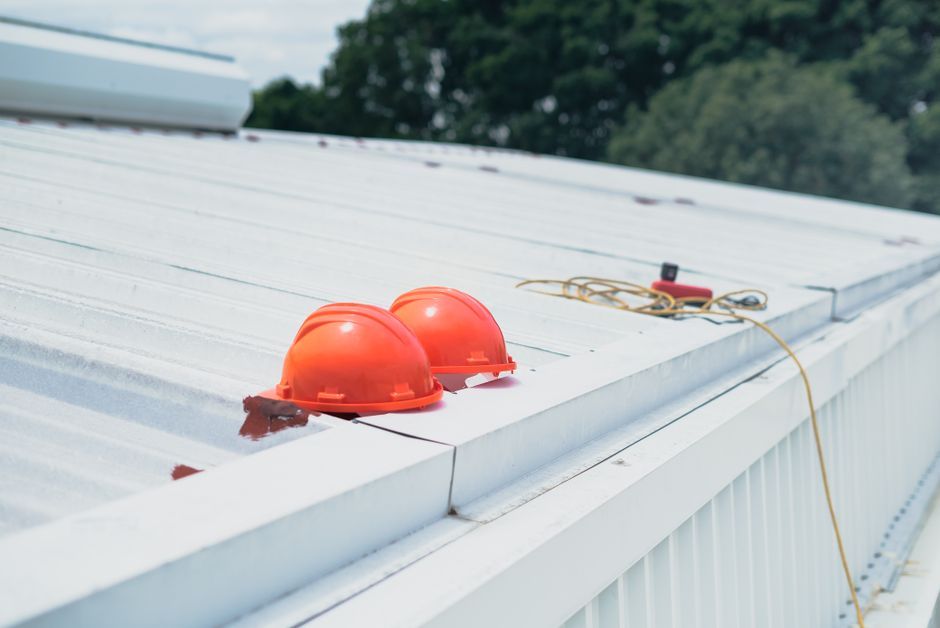
Nothing gets cleaned until the roof has been looked over properly. A good start is a walk around the outside and, where it is safe, a closer look from a ladder or up on the roof. The point is to spot cracked or slipped pantiles, worn mortar on the ridge, and any flashing that has pulled away before water and treatment go anywhere near them.
This matters more in Hull than people expect. Many of the terraces off Beverley Road and around the Avenues carry original clay pantiles that are decades old, and a single loose tile can let a rinse run straight into the loft. Finding it first means it gets flagged, not flooded.
2. Clearing the Gutters and Loose Debris
Before any moss comes off the roof, the gutters get cleared. There is no sense washing a season of moss down into a gutter that is already half full of leaves and grit, because all you do is move the blockage from the roof to the downpipe. Clearing first gives the wash somewhere to drain.
On the long terraced streets around Hessle Road, where houses share gutters and back onto narrow ten-foot lanes, a blocked run can push water back under the eaves and into next door. Sorting the gutters early keeps the whole job clean and stops the mess ending up where it should not.
3. Removing the Bulk of the Moss
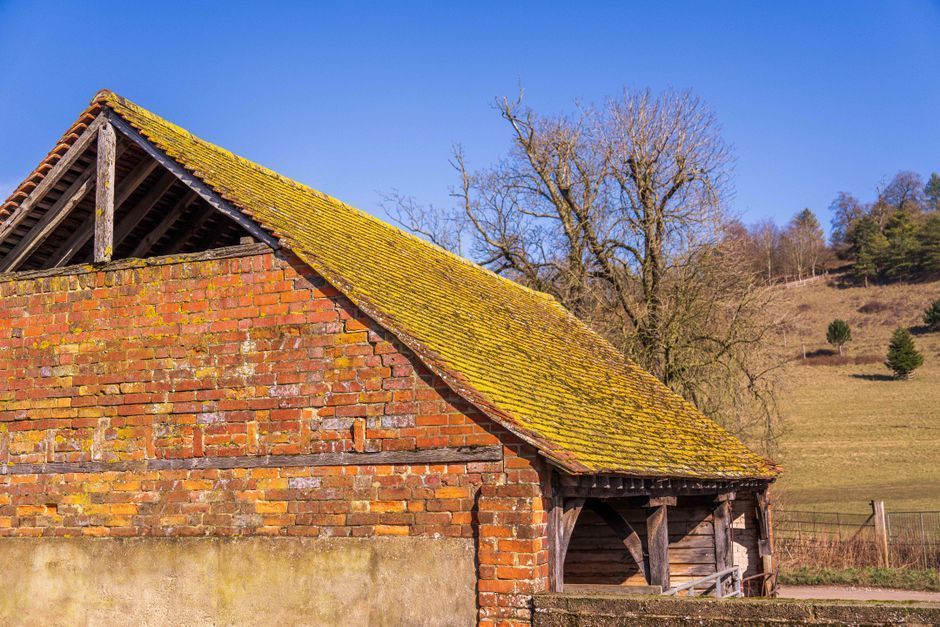
Thick moss is lifted off by hand or with soft scraping tools rather than blasted away. Working gently down the roof, the heavy growth comes away in clumps and is collected rather than left to slide into the freshly cleared gutter. This is patient work, and rushing it is where careless cleaners crack tiles.
Roofs on the shaded, north-facing slopes common across Newland and Cottingham build up the deepest moss, because they barely see direct sun through a Hull winter. Getting that bulk off by hand first means the rinse and treatment can reach the tile surface properly instead of just wetting the top of the moss.
4. The Low-Pressure Rinse
Now the actual soft wash. Water is applied at low pressure, closer to the flow from a garden hose than a jet washer, so it lifts the last of the loosened growth without driving under the tiles or stripping the surface. Soft washing means low-pressure water plus a treatment, and this is the water part of that pairing.
Low pressure is the whole point on Hull's older roofs. Blasting a brittle clay pantile can crack the glaze or force water beneath the laps, and once water is getting under the tiles you have a damp problem inside. Gentle keeps the roof watertight while still clearing it, which is exactly the balance these period roofs need.
5. Applying the Biocide Treatment
With the roof clean and rinsed, a biocide treatment is applied across the surface and left on. This is the step that does the lasting work, because it keeps killing off the spores that settle after the visible moss has gone. Without it, a roof cleaned today starts greening again within a season.
Hull's damp really earns this stage. With the Humber on one side and the North Sea fret rolling in, roofs here are wet more mornings than not, so the surface is always being reseeded with fresh spores. A treatment left to work over the following months is what turns a one-off clean into a roof that stays clear.
6. The Final Check and Tidy Up
A soft wash is not finished when the water stops. The last stage is a walk around to check the gutters are running, the downpipes are clear, and nothing has been left loose or damaged. Any tile or ridge issue spotted at the start gets pointed out so you can decide what to do about it.
The clear-up matters too. Bagged moss, cleared debris, and a rinsed-down path or patio are all part of leaving a Hull home the way it should be left. A tidy finish is usually a fair sign of how careful the rest of the job was.
- Inspection: The roof is checked for cracked tiles and worn mortar before anything is cleaned.
- Gutters first: Clearing the gutters gives the wash somewhere to drain and prevents fresh blockages.
- Hand removal: Thick moss is lifted off gently, not blasted, to protect old pantiles.
- Low pressure: Water is applied softly so it clears growth without getting under the tiles.
- Biocide last: A treatment left on the surface is what keeps the roof clean for the long run.
Frequently Asked Questions
How long does a soft wash take on an average Hull house?
Most terraced or semi-detached homes take the best part of a day. Heavier moss, tricky access down a ten-foot lane, or a larger roof can stretch it, but it is rarely a quick in-and-out job if done properly.
Will the roof look perfectly clean straight away?
It looks much better right away, but the biocide keeps working for weeks after. Some staining fades gradually as the treatment breaks down the last of the growth, so the roof often looks better a month on than on the day.
Is soft washing safe for old clay pantiles?
Yes, that is exactly why it is used on them. The low pressure clears moss without cracking the glaze or forcing water under the laps, which is the risk with a high-pressure jet on a period roof.
Do I need to be home while it is done?
Not usually, as long as access is sorted. Most of the work happens outside and up top, though it helps to be reachable in case a tile issue turns up that needs a decision.
Does the treatment smell or harm plants below?
Care is taken to protect planting and rinse down surfaces afterward. The products are applied to the roof, not the garden, and a careful cleaner shields borders and pots before starting.
Want a soft wash done properly, start to finish?
Ben's Roof Cleaning soft washes roofs across Hull and East Yorkshire, with over 15 years of experience. Get in touch or call 01482 251089
for a free, no-obligation quote.
A Soft Wash Is a Method, Not a Quick Blast
The value in a soft wash is in the order and the care, not the speed. Inspect, clear, lift the moss, rinse gently, then treat and check. Each step protects the roof while getting it clean, and the treatment at the end is what keeps a Hull roof clear through the damp months rather than for a few short weeks. When you know the steps, you know what a good job looks like.